november:city
Rethinking Urban Systems. For the People They Miss.
Most people are not the default user. Not always. Not even most of the time.
Urban systems are still largely designed around a narrow assumption: that people move fast, decide confidently, navigate without friction, and engage digitally. But everyday urban life looks different. People are ageing, caring for others, navigating disability, working irregular hours, travelling with children, or simply needing a slower pace and clearer guidance. When systems are built for the exception – not the reality – they don’t just fail people. The result is systems that cost more, deliver less, and create problems no one budgeted for.
We help institutions make better decisions by changing who counts as the reference point. We work at the intersection of lived experience, institutional decision-making, and urban systems. Our role is to identify where assumptions become policy, where policy becomes implementation, and where people disappear in that translation.
What We Do
We support cities, public agencies, and international organisations in making urban systems more inclusive – by intervening where it matters: in how these systems are governed, planned, and implemented.
- Mobility & Urban Space – inclusive, care-sensitive, and climate-conscious approaches to mobility and urban space, designed around the people planning most often overlooks.
- Governance & Institutional Change – connecting policy goals to operational reality, within the structures that actually shape decisions – and to the people those decisions affect.
- Participation & Process Design – processes that reach the people conventional formats miss, and give them equal standing in shaping the spaces they depend on.
- Learning & Transfer – helping cities adapt what works elsewhere to what works here – and giving the people working for change within them new ground to stand on.
Selected Engagements
Mobility & Urban Space
Cycling After Dark · various
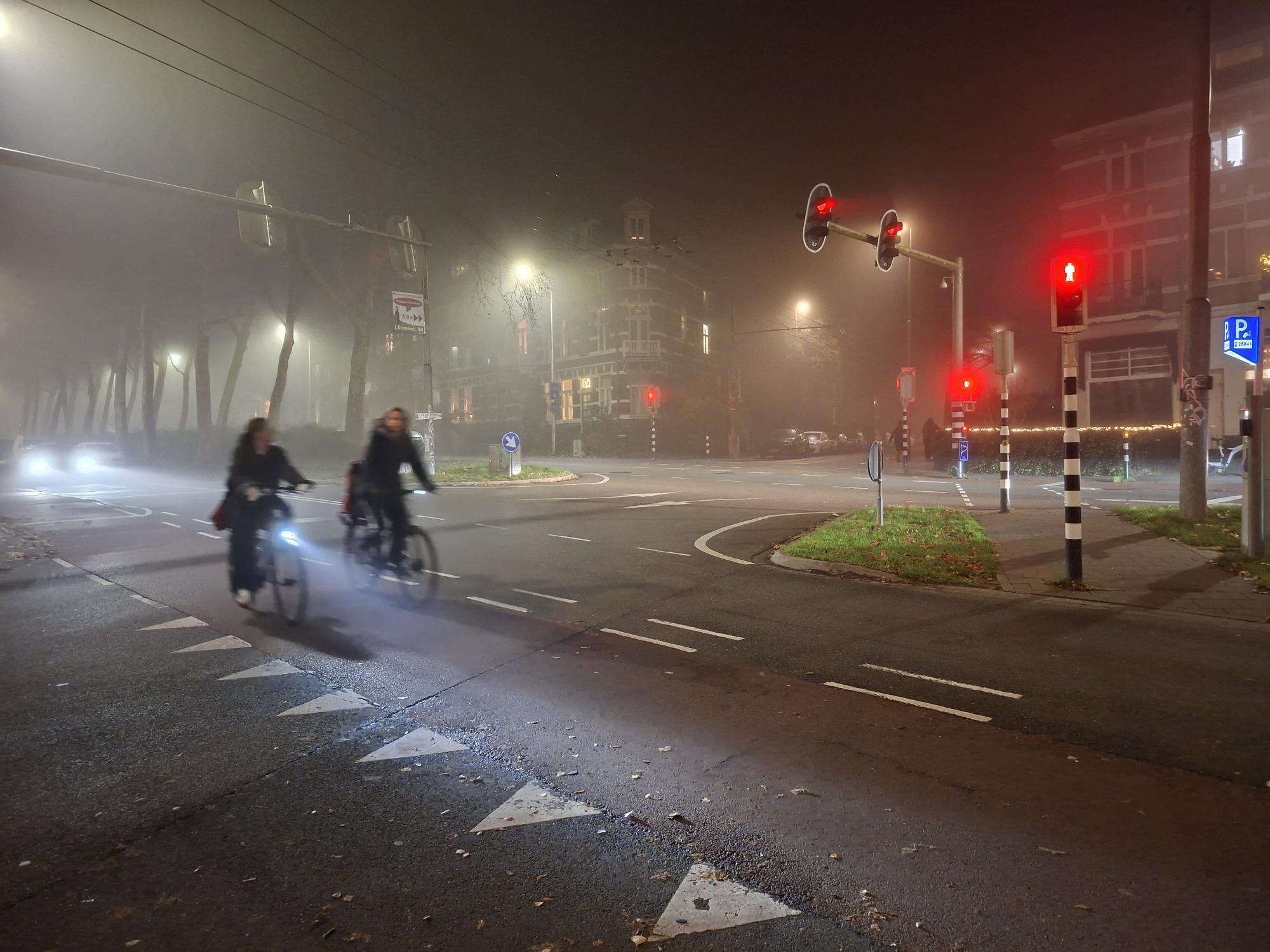
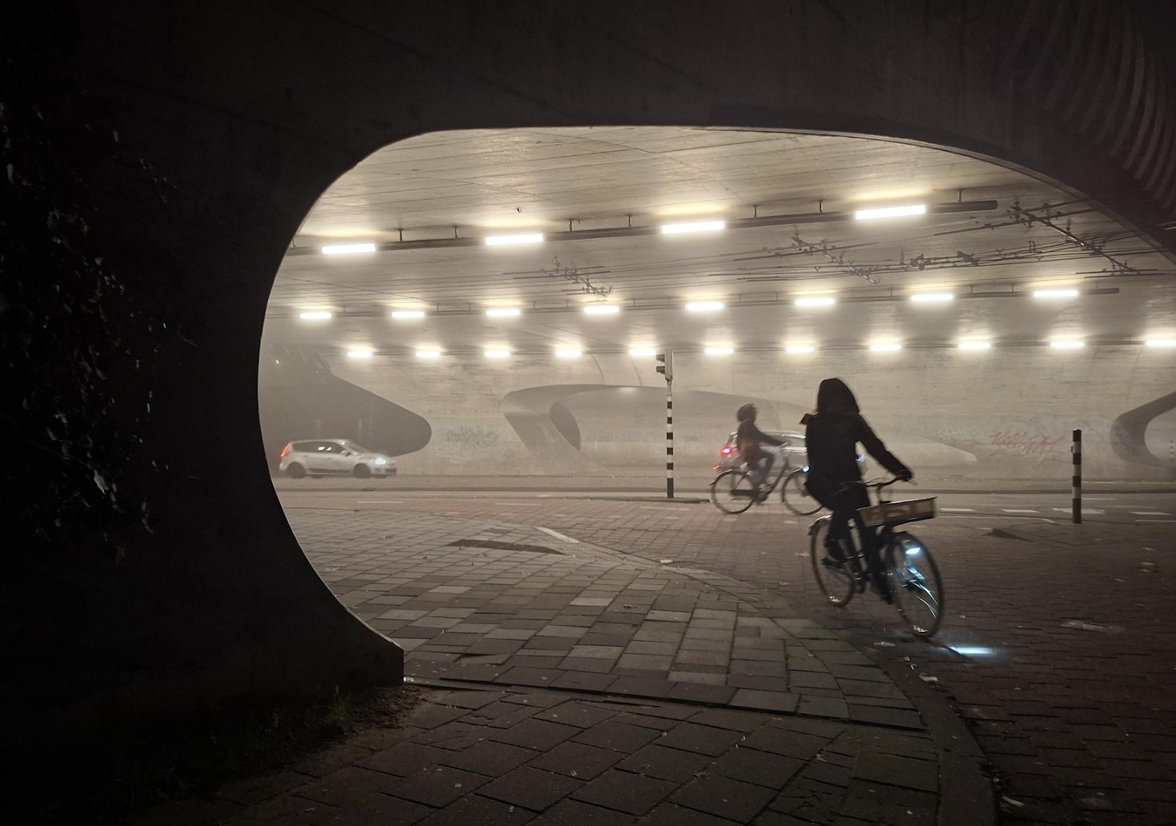
When cycling at night gets evaluated, it comes down to lighting. We looked at what that misses: route alignment, surroundings, who you encounter along the way – and whose experience had never been the reference point. What emerged was evidence that the standard lens had been too narrow to see the real problem.
Community Park · Switzerland
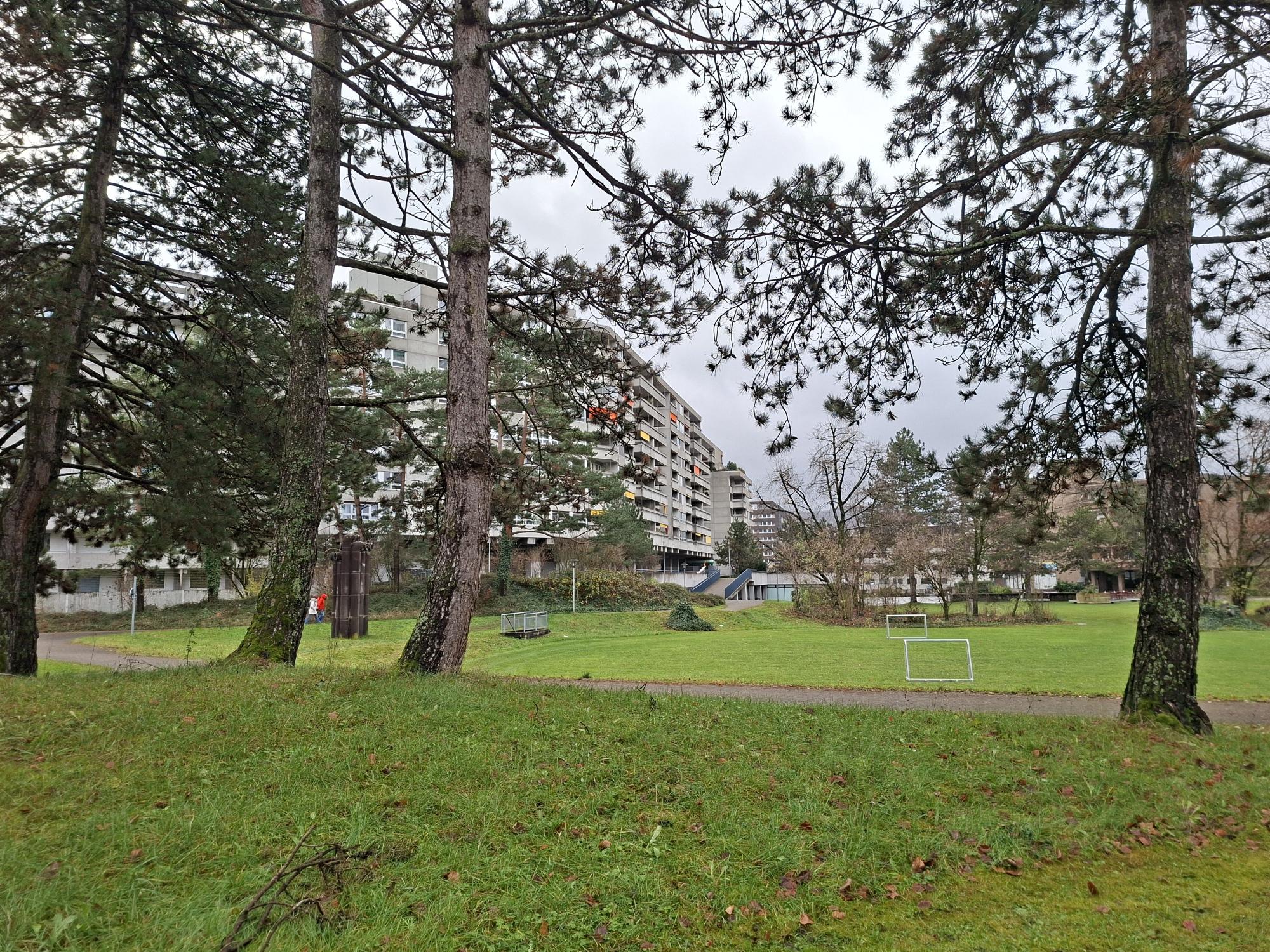
Grünau is a dense, multicultural neighbourhood at the edge of the city – the kind of place where a park carries more weight than usual. The participatory planning process had been thorough. But something gets lost in the translation from process to design. Our evaluation identified where: the spatial needs of groups that had been heard, but not fully carried through into the plan. The findings are feeding directly into the next design phase, with key recommendations already being taken up.
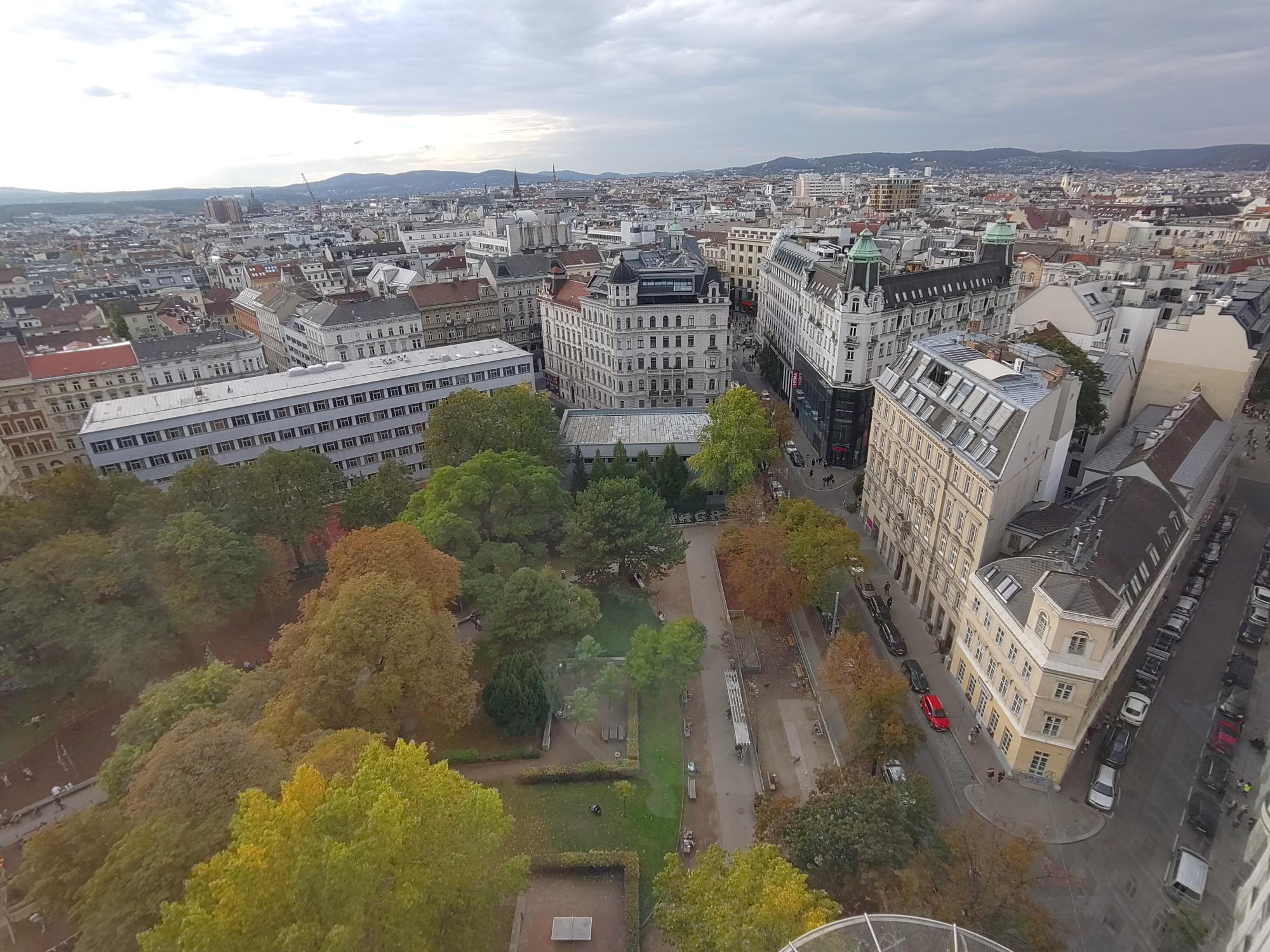
Dutch Cycling Strategies · Austria
A comparative briefing for the City of Vienna on Dutch cycling policy – with a focus on what transfers to different governance contexts, and what doesn’t. Vienna actively benchmarks against leading cycling cities; our briefing gave their team a grounded basis for that comparison.
Governance & Institutional Change
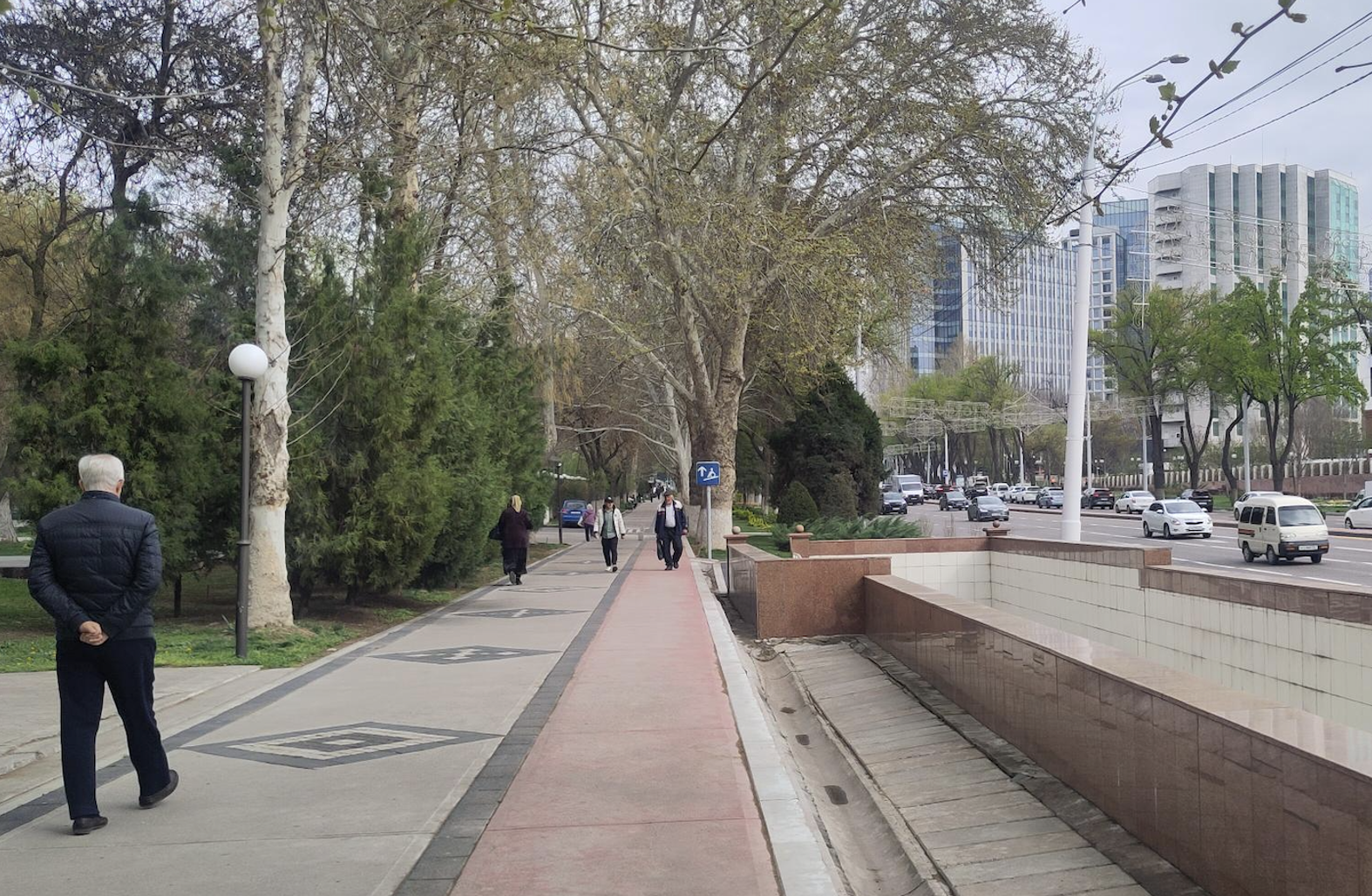
Sustainable Urban Development Pathway · Uzbekistan
As Uzbekistan expands the use of master planning across the country, the challenge is no longer growth itself, but how to shape it. Working with national and regional authorities, a pathway was developed for integrating sustainability, climate resilience, and social inclusion into the master planning system – drawing on a review of existing frameworks and international planning practice. The resulting strategy was adopted by the Ministry as a working instrument for future planning processes.
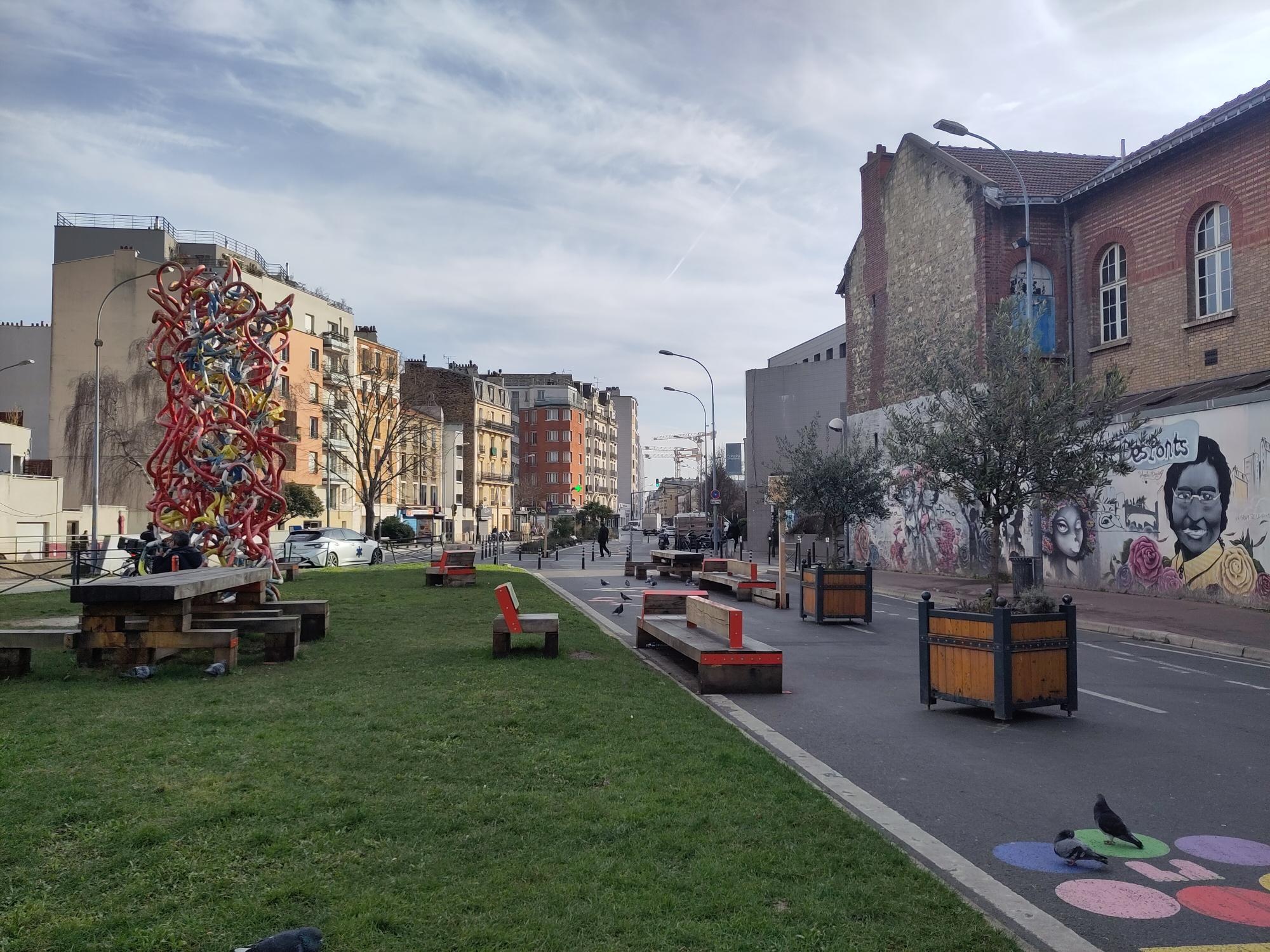
Gender in Urban Projects · GIZ
Germany’s feminist development policy had set clear targets. What was missing was a framework rigorous enough to distinguish substantive change from surface compliance. Assessment criteria were developed for existing GIZ urban projects, alongside a competition to surface gender-transformative approaches within the project portfolio – with eligibility conditions that made impact a prerequisite, not an afterthought.
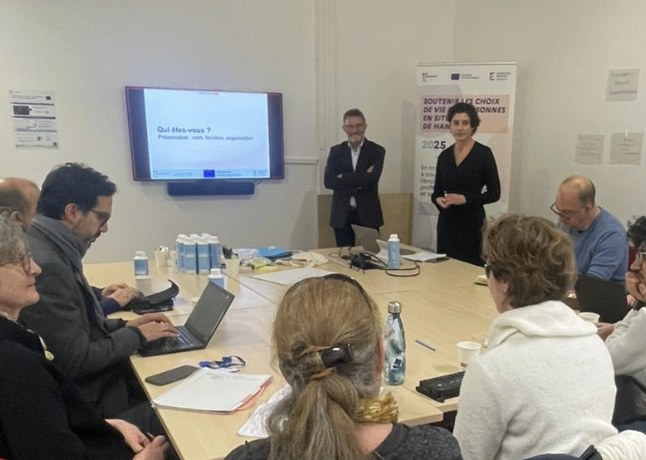
UN-CRPD Compliance in Mobility · France and Overseas Territories
Component lead for mobility within a 24-month EU Technical Support Instrument project. The work centres on developing reform roadmaps that translate obligations under the UN Convention on the Rights of Persons with Disabilities and the EU Disability Strategy 2021–2030 into actionable national strategies.
Participation & Process Design
Climate-Resilient Planning · Switzerland
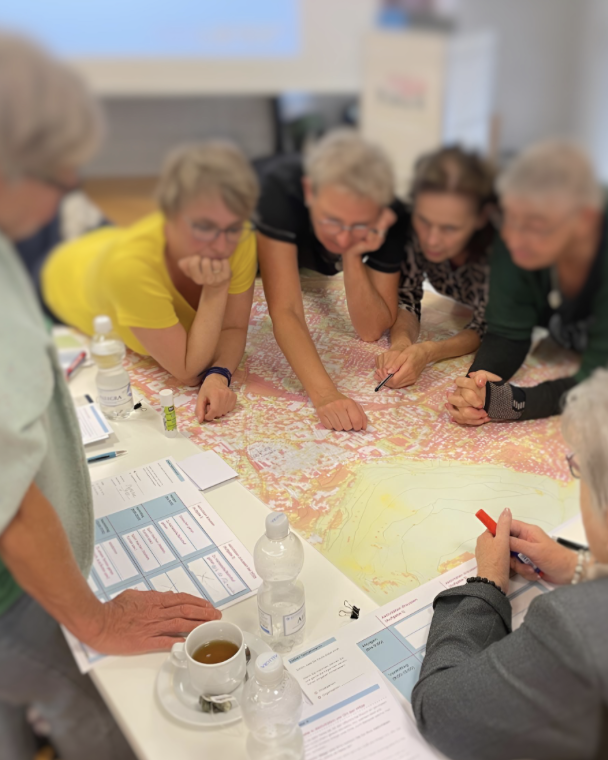
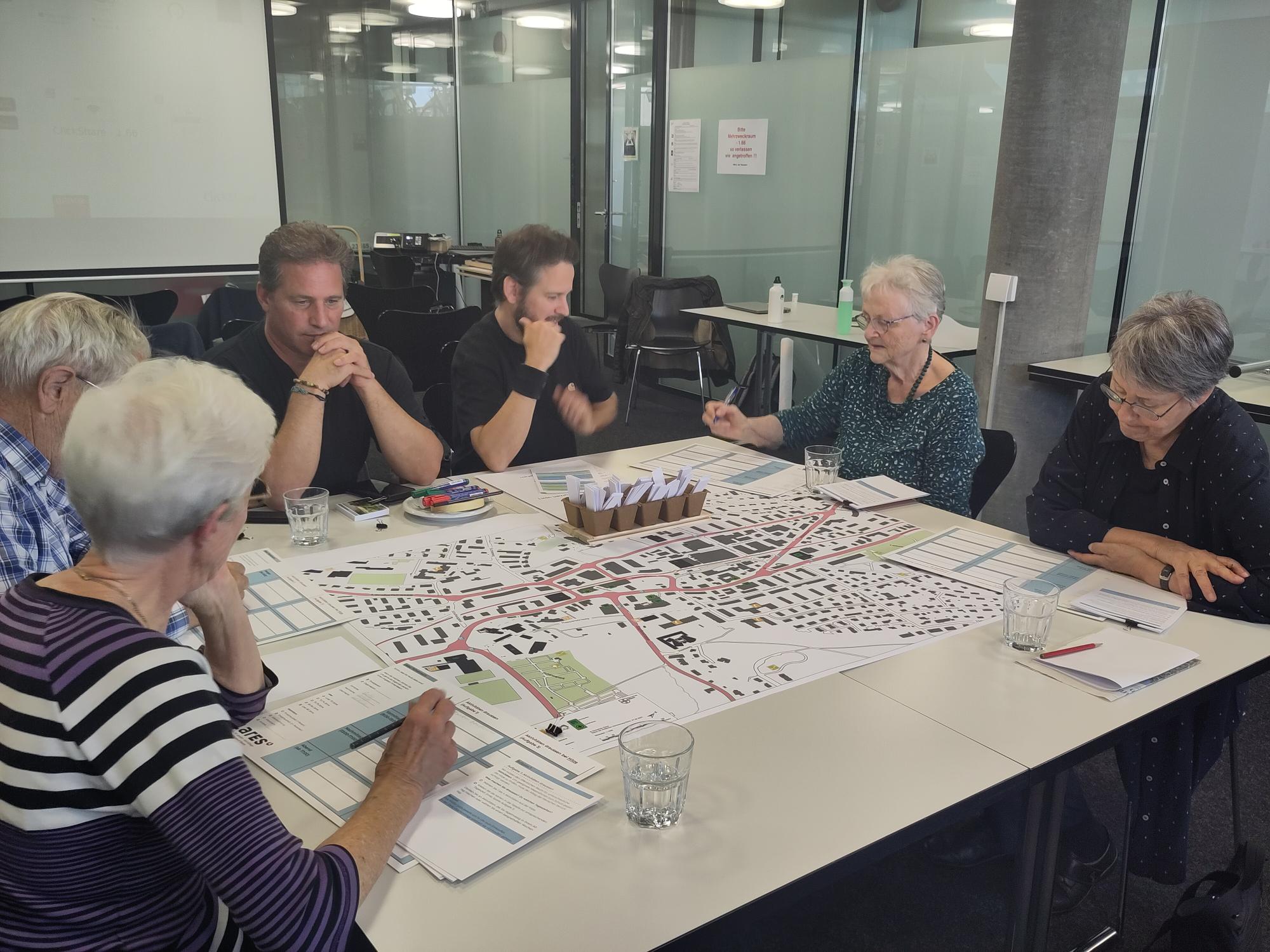
The people most affected by urban heat are often least present in planning processes. Working with the cities of Aarau, Chur, Langenthal, and the municipality of Köniz, we developed a game-based participation format reaching older residents in climate adaptation planning – focused on walkability and the usability of public space in a warming city, and built so that people without planning expertise could engage on equal terms with those who had it. The findings fed directly into the local climate action plans of all four participating municipalities.
Nominated in the top 5 at the VCÖ Mobility Award 2024 – international projects category.
Urban Walk-Along Methodology · Switzerland
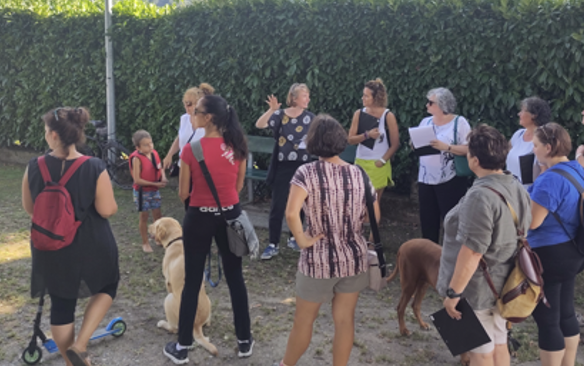
Conventional formats reach people who already engage with planning. The walk-along reached a different group: people doing care work who use urban space intensively but rarely appear in consultations. What emerged was an understanding of urban space as social infrastructure – a place to spend time, rest, and maintain community ties. That understanding had been largely absent from the planning process.
Living Lab · Netherlands
To address a structural blind spot in mobility – cognitive accessibility – we are developing a Living Lab bringing together self-advocacy groups, transport operators, and municipalities. The aim is to create a framework for systematic testing and iterative learning, leading to a Governance Toolkit for Cognitive Accessibility that can be adapted by cities across Europe.
Learning & Transfer
Masterclass on Cycling · Switzerland
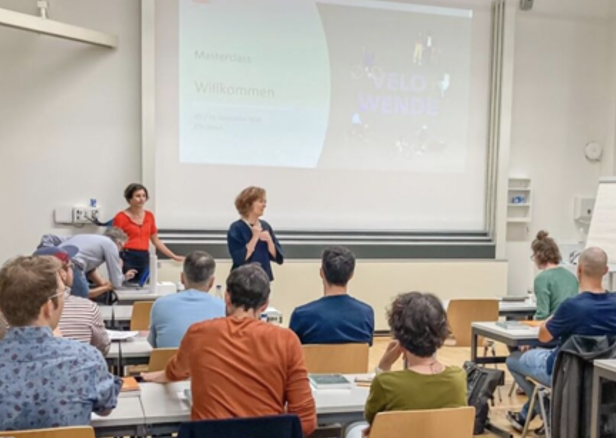
A strategic learning programme supporting Swiss cities in doubling their cycling modal share by 2035. The focus was not on transferring best practices, but on building the capacity to ask the right question: not on what works in the Netherlands, but on what it would take to work here.
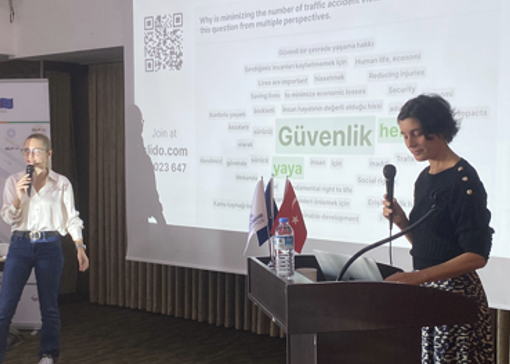
Traffic and Road Safety Training · Turkey
Training on Vision Zero principles produced a fundamental shift in baseline assumption: that unsafe conditions do not simply have to be accepted. Participants left with the recognition that many effective interventions are small, low-cost, and implementable without major infrastructure investment.
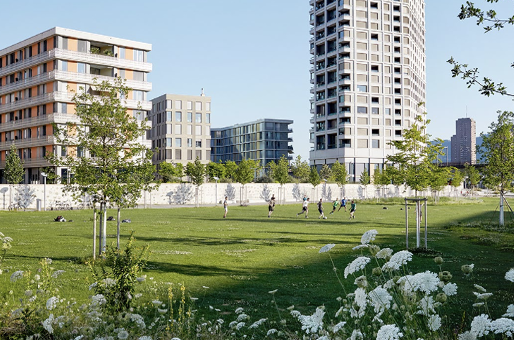
Gender-Sensitive Planning · SIA Switzerland
Training for urban planners on integrating gender-sensitive design into urban spaces – using the GenderKompass toolkit as a practical framework, and grounding it in real projects and site visits. The focus was not on raising awareness, but on building the capacity to apply a gender perspective at every stage of a planning process: in how spaces are analysed, how participation is structured, and how design decisions are justified. At the centre: the spatial needs of the people that planning most often designs around, rather than for.
Who We Are
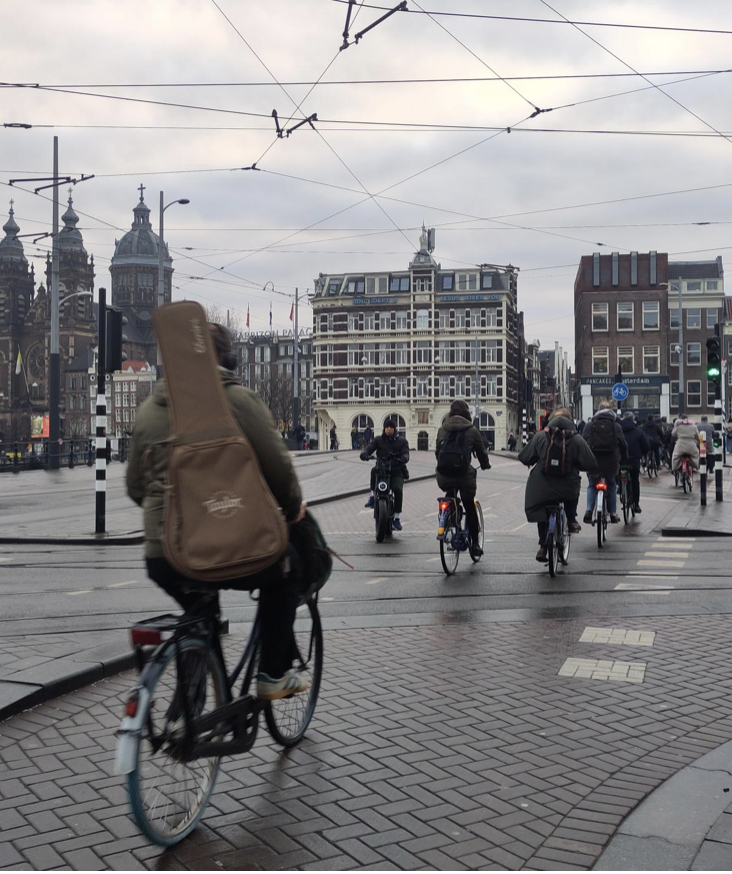
We are an urban advisory practice based in Arnhem, with backgrounds spanning mobility, spatial planning, urban development, anthropology, and international development. That combination is not accidental. The problems we work on sit at the intersection of technical planning and social reality – and solving them requires fluency in both. Our core team has lived and worked across different countries, which means we understand differences in governance contexts, planning cultures, and institutional realities from experience, not assumption.
We work across project formats: as a team, in consortium with partners, and through individual advisory mandates where specialist expertise is what’s needed. We work in Dutch, English, French, German, and Spanish.